In the world of interior design, each year brings new needs, inspirations, and technologies.
The year 2026 promises to be a turning point — a moment when spatial design becomes more human, functional, and conscious. Interior design studios are now challenged to respond to increasingly complex needs, where functionality, aesthetics, and sustainability must coexist in perfect harmony. In this article, we explore six key trends that are already shaping the daily work of forward-thinking interior design studios.
1. Flexible and Multifunctional Spaces
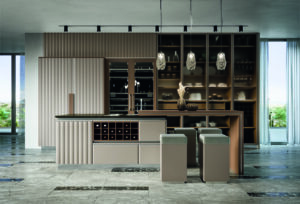
With evolving lifestyles — from smart working to leisure time at home and new family dynamics — environments must adapt. Hybrid spaces will be increasingly in demand: a dining area that becomes a workstation, a living room that transforms into a gym or relaxation area.
Interior designers are now creating spaces that change throughout the day, thanks to elements such as modular furniture, retractable tables, sliding walls, and custom-built niches. Bespoke design is no longer optional — it’s the starting point.
2. Warm Colors and Natural Palettes
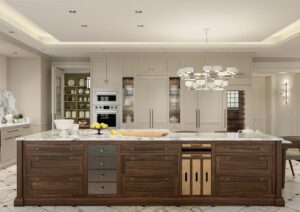
2026 marks the return of soft, enveloping tones: out with cold whites and industrial grays, in with warm beige, desaturated greens, terracotta, blush pink, and powder blues.
These palettes create neutral backgrounds that highlight materials and convey visual calm. Contrasts are subtler, while bold hues — forest green, midnight blue, warm ochre — are used intelligently, as small accents to add depth without excess.
3. Organic Shapes and Sculptural Volumes
Another major trend is the shift away from rigid lines in favor of curves, arches, and soft profiles. Rounded tables, fluid-shaped sofas, arched openings, and curved walls bring movement and visual harmony.
In many projects, furniture becomes sculptural: coffee tables as art pieces, seating that defines the room, functional elements that are also expressive. The interior design studio of the future will know how to merge aesthetics and function into a single design gesture.
4. Tactile Materials and Layered Textures
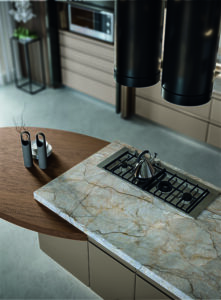
The luxury of 2026 is felt through touch, not shine. Overly smooth, artificial surfaces give way to raw, natural, and layered materials. Brushed wood, unpolished stone, woven fabrics, handcrafted ceramics, and natural fibers all contribute to depth and warmth.
The goal is not spectacular contrast but sensory balance. The mix of materials — stone with wool, glass with wood, metal with linen — creates welcoming, timeless environments that invite comfort and connection.
5. Invisible Technology and Responsive Environments
Technology in 2026 is integrated and silent. Smart homes no longer display their systems — they make them felt. Lighting, climate, blinds, and acoustics automatically adjust to people’s presence and natural light.
For every interior design studio, collaborating with home automation experts becomes essential to design responsive spaces that adapt to those who live in them. Comfort evolves — becoming invisible, yet essential.
6. Eco-Luxury and Conscious Sustainability
Sustainability is no longer a trend — it’s a core value. The concept of eco-luxury is taking hold: recycled and recyclable materials, durable finishes, transparent supply chains, and modular products dominate the design process.
Green choices are no longer an aesthetic compromise — today it’s possible to create elegant, contemporary spaceswithout sacrificing environmental responsibility. Design studios are moving toward long-lasting, repairable, and reusable solutions.
How to Apply These Trends to Your Project
For any interior design studio, translating these trends into practice means making strategic and thoughtful choices:
-
Start from function, not form: design spaces that meet real needs, then give them a distinctive shape.
-
Choose authentic materials: prefer real textures and natural finishes that age beautifully.
-
Invest in custom-made elements: integrated niches, retractable furniture, sliding panels — every detail improves usability.
-
Mix timeless elements with modern accents: a neutral palette can be enhanced with a sculptural piece or a bold color.
-
Design for the future: choose systems, furnishings, and materials that can evolve with your client’s needs.
Conclusion
2026 brings a new vision of living spaces — more flexible, more conscious, more human. Every forward-thinking interior design studio must learn to combine aesthetics, technology, and sustainability in a coherent, personalized way.
Designing today means anticipating needs, creating lasting value, and building environments that enhance people’s lives — discreetly, intelligently, and tailor-made.
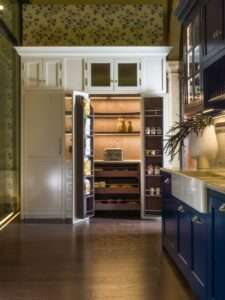 📍 Visit our showroom in Verona
Whether you’ve bought a new apartment, are renovating, or simply want to refresh your home’s style, we invite you to visit our Martini Verona interior design showroom.
You can experience our handcrafted furniture — kitchens, wardrobes, bookcases, and more — made in Veneto by Martini Interiors. It’s an opportunity to discover authentic materials, premium finishes, and speak directly with one of our designers to find the perfect solution for your home.
👉 Book a personalized consultation: serena@martini-interiors.com
Martini Verona – Showroom & Design Studio
📍 Piazza Cittadella 3, Verona
🔗 Learn more on our website: martini-verona.it
🔗 Explore our handcrafted custom furniture made in Veneto: martini-interiors.com
Follow us on Instagram and Pinterest for daily inspiration, projects, and design insights:
📸 Instagram
📌 Pinterest